Abdominal and pelvic ultrasound
The abdominal and pelvic ultrasound: abdominal complaints, diarrhoea, nausea, vomiting, abdominal pain, cramping, tenderness, palpable abdominal masses, bloody urine are the most common questions asked during the examination. The test is suitable for detecting abdominal fluid collections and for assessing and monitoring possible dilatation of blood vessels, such as the great abdominal artery.
Ultrasound examination procedure
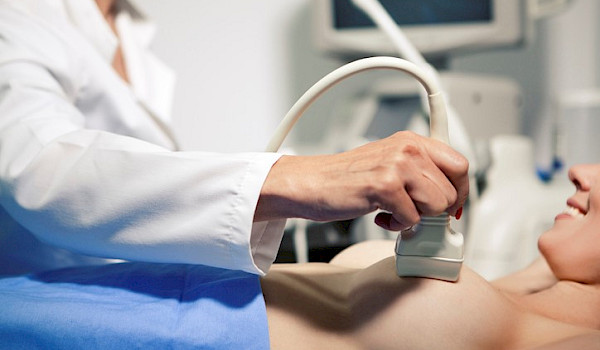
The scan is usually performed in the supine position, with the patient exposing the part of the body to be scanned, as the skin surface must be coated with a spreading gel to prevent clotting in the little air between the scanning head and the skin.
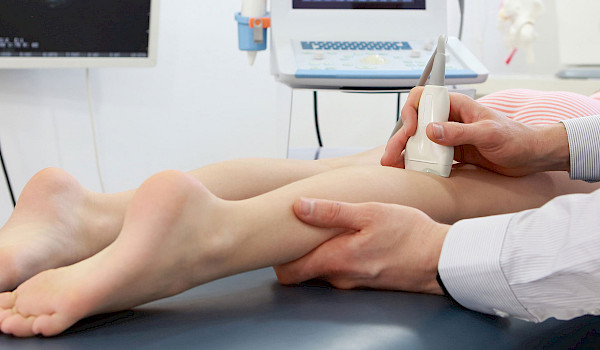
For the different examinations, the organs can be inspected from several directions by moving a different probe head over the surface, either in motion, in deep inhalation or under pressure. The examining doctor can take a digital or printed image of the equipment, or even record it on video. The images can even be measured afterwards, and the machine can be used to perform various calculations, such as estimating the bladder fluid content in case of difficulty passing urine.
What to know before the test
Avoid eating 5-6 hours before the test, but non-carbonated and flavourless water is recommended. Avoid drinking coffee as it may affect the test result by causing gallbladder contractions. The day before the test, it is not recommended to eat leguminous vegetables and gas-forming foods (e.g.: kale, brussels sprouts, cauliflower, etc.
The test requires the bladder to be full, this will help to assess the pelvic organs (male and female reproductive organs) more accurately.
If a mirror examination (one in which air is passed into the intestinal tract) has been performed, a 2-day break should be allowed between abdominal/pelvic examinations.
If you have had a previous examination or if you have previous findings, other test results (CT, MRI, laboratory tests), medical documentation (outpatient sheet, final report) for the complaint in question, please bring all your material, including the images taken, CDs, so that we can make a more accurate assessment to help you recover.